


































UPAVIM: From Bare Ground to a Community of Craft, Care, and Education
During our 2025 UPAVIM Tour, Ángela Bailon (Directora de Artesanía and founding member) and Carmen Ticuru (co-founder) welcomed us and introduced UPAVIM’s story—how a group of determined women turned bare ground into a community anchored in craft, care, and education.
In 1983, women began migrating to La Esperanza/Mezquital on the outskirts of Guatemala City, seeking a place to settle. They found bare land—no water, electricity, sewage, proper roads, or sturdy homes. Families lived in tin, plastic, wood, and cardboard shacks with earthen floors, and people walked about a mile to fetch water.
In 1988, Barb Lorraine arrived with her husband intending to learn Spanish and then move on to El Salvador. Instead, she stayed. Together with the women, they launched a Growth Monitoring (baby-weighing) program to track infant malnutrition. The findings made one thing unmistakably clear: mothers needed income to feed their families.
Craft as a Lifeline
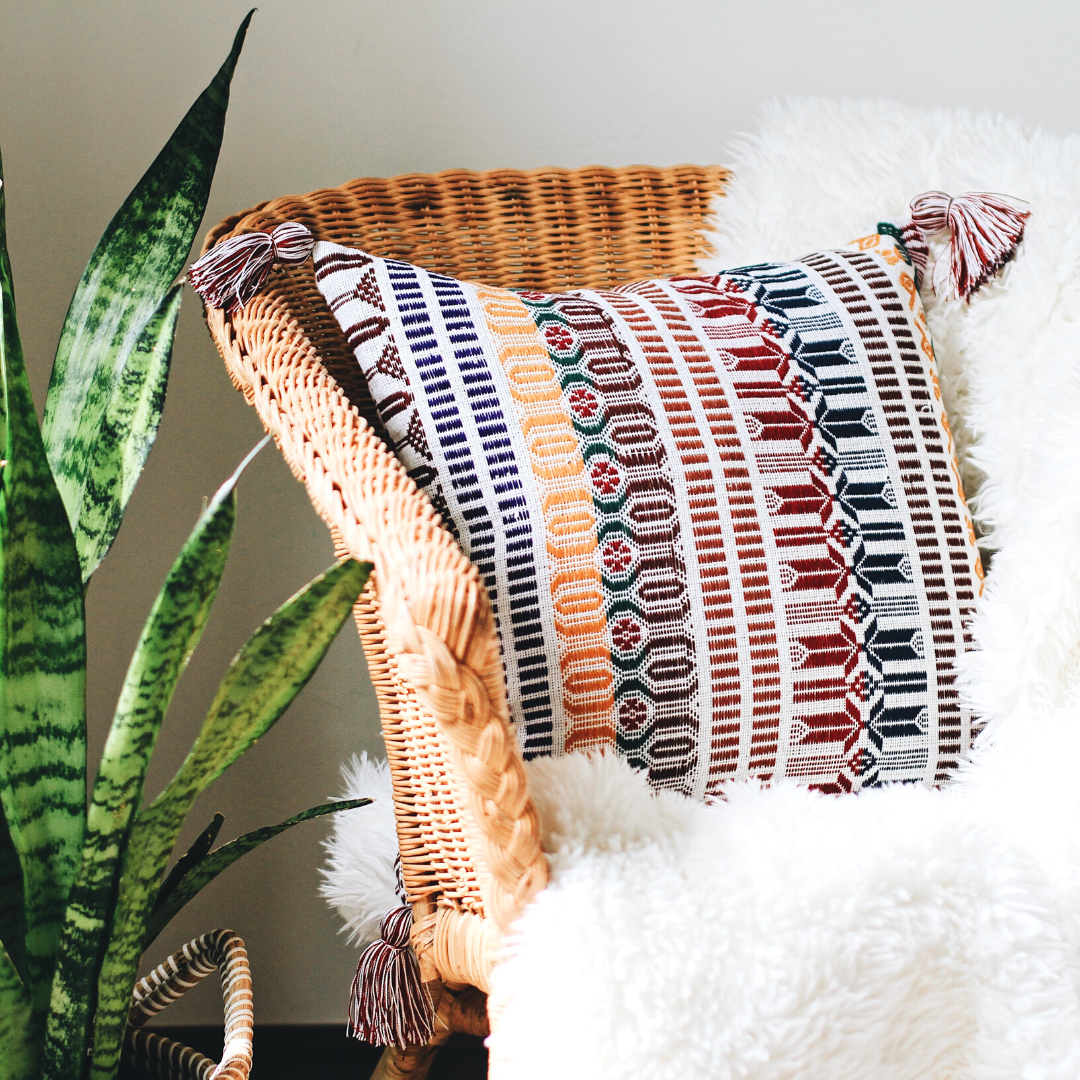
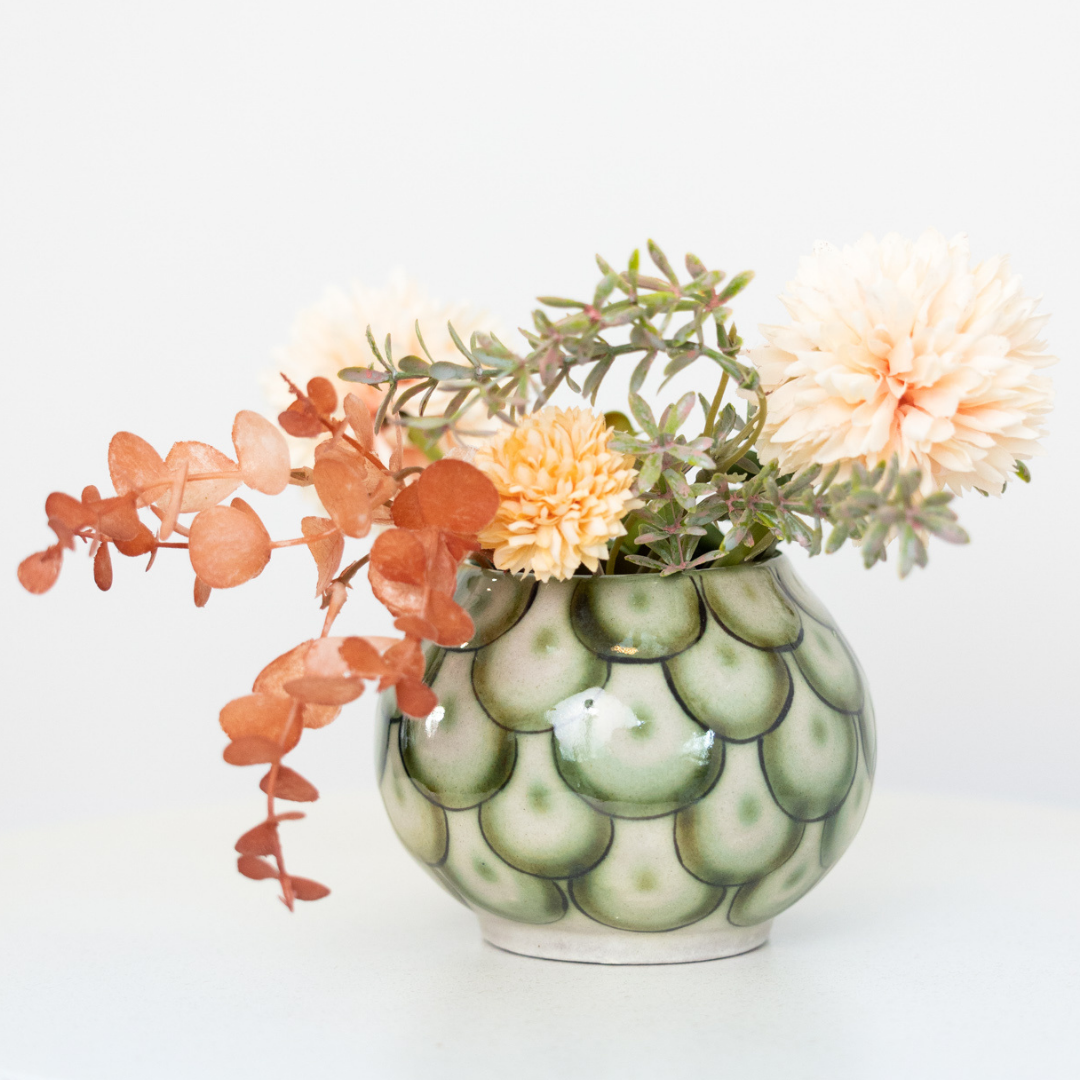
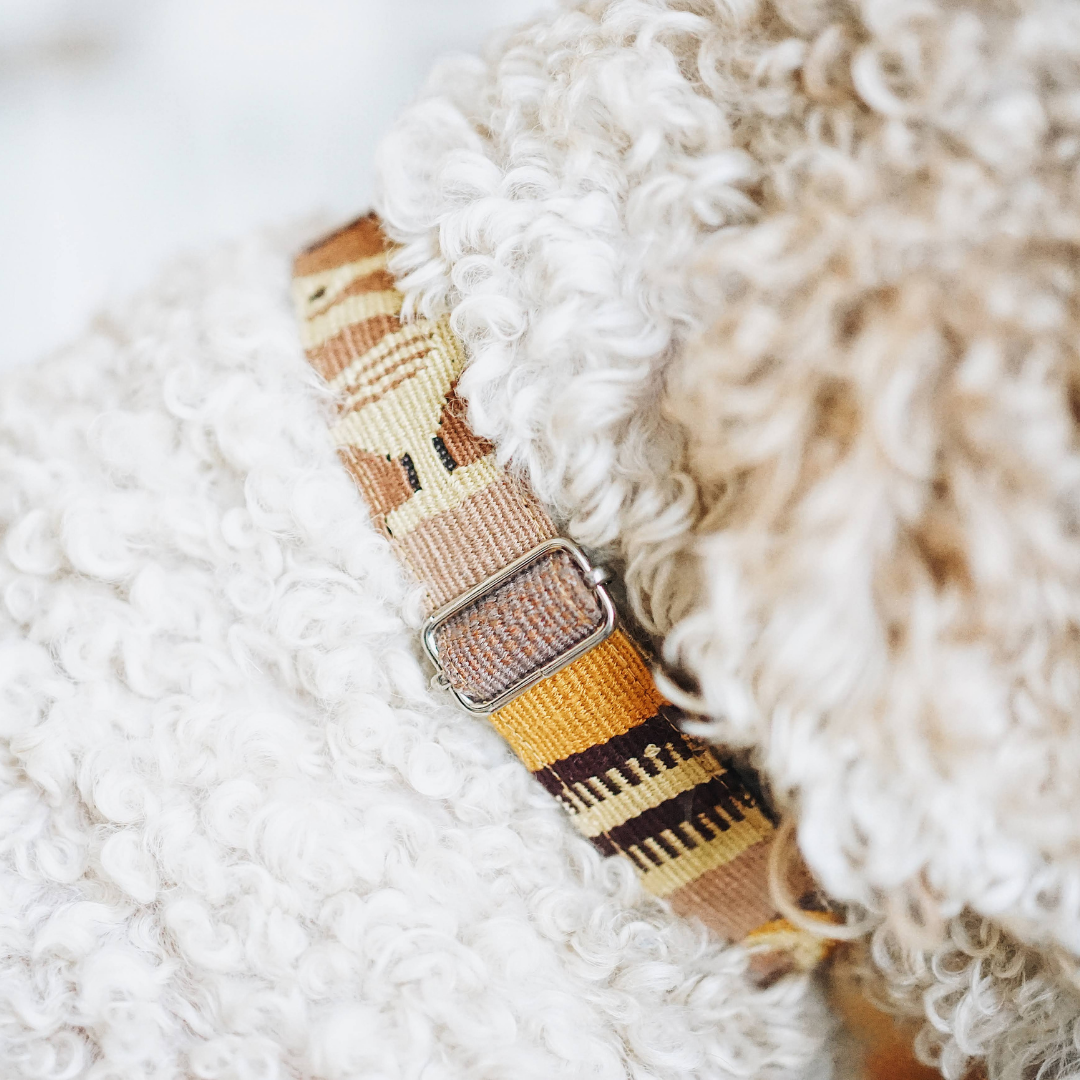
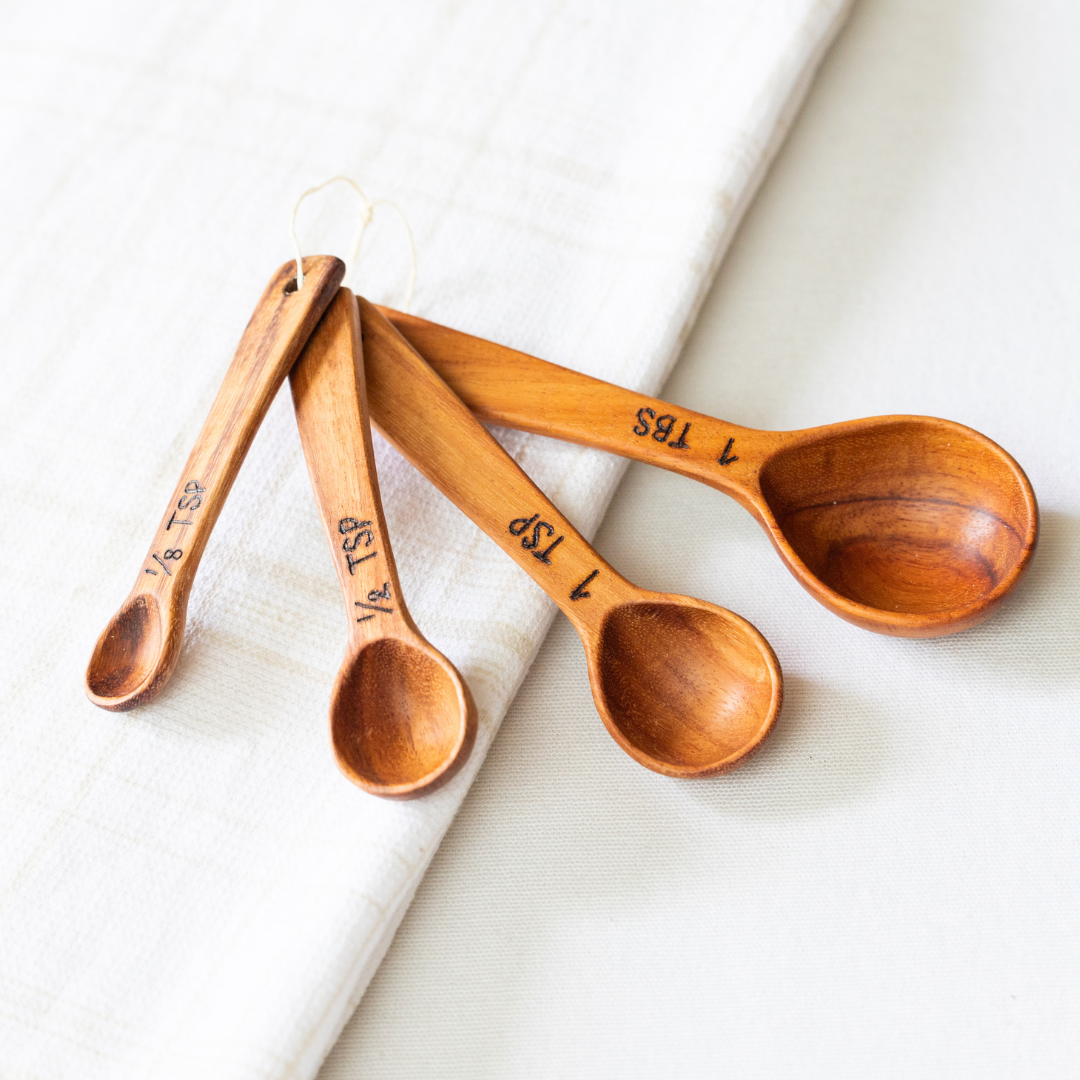
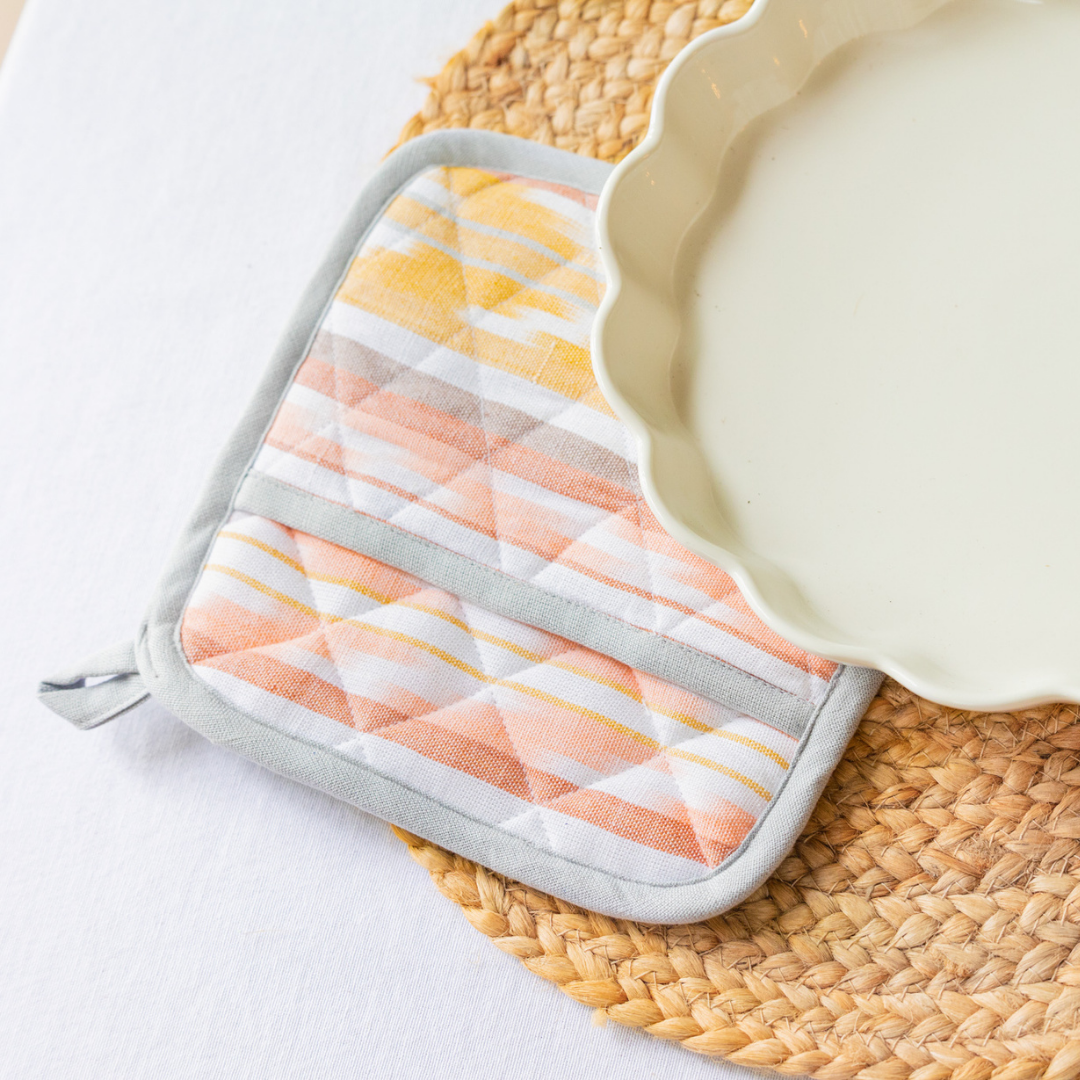
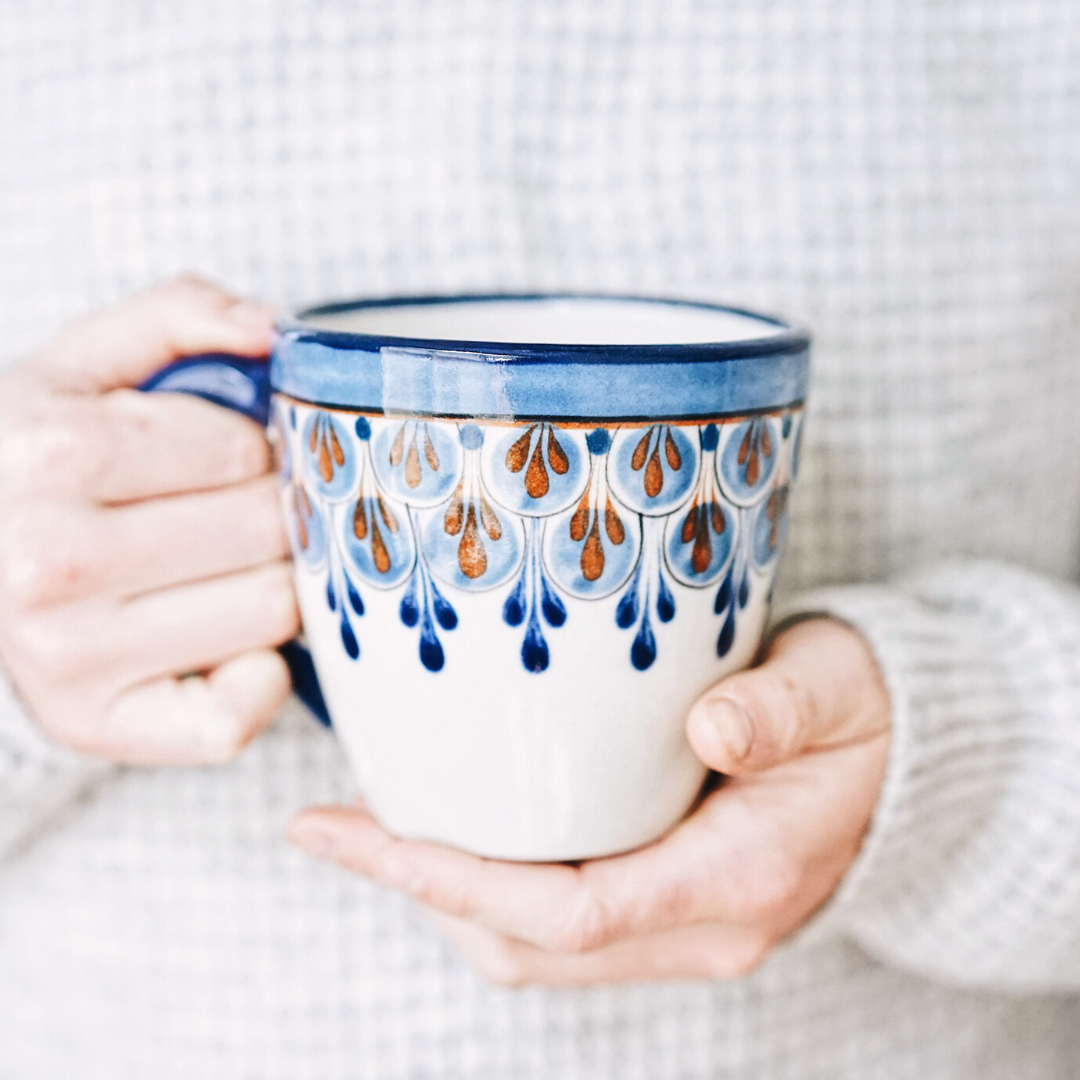
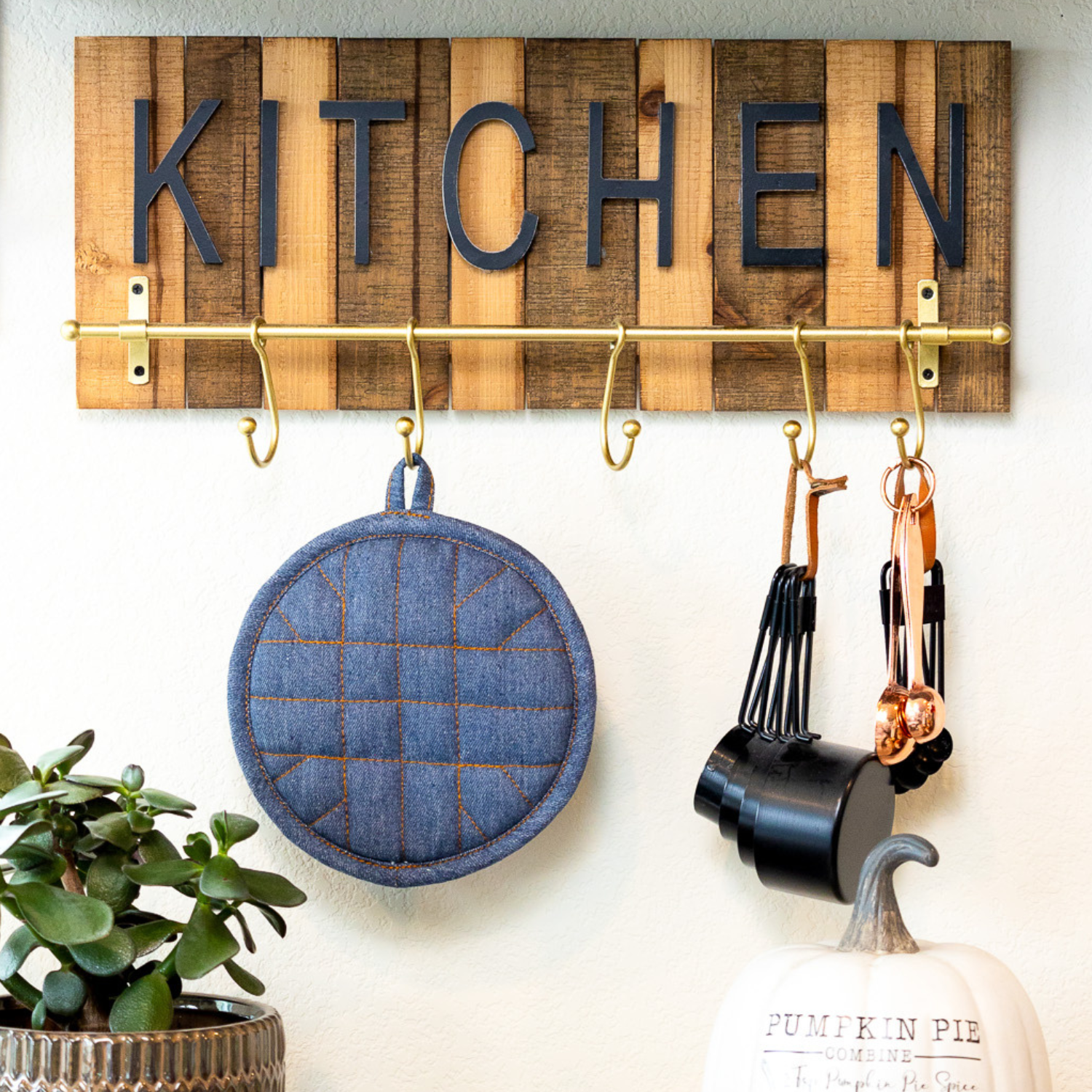
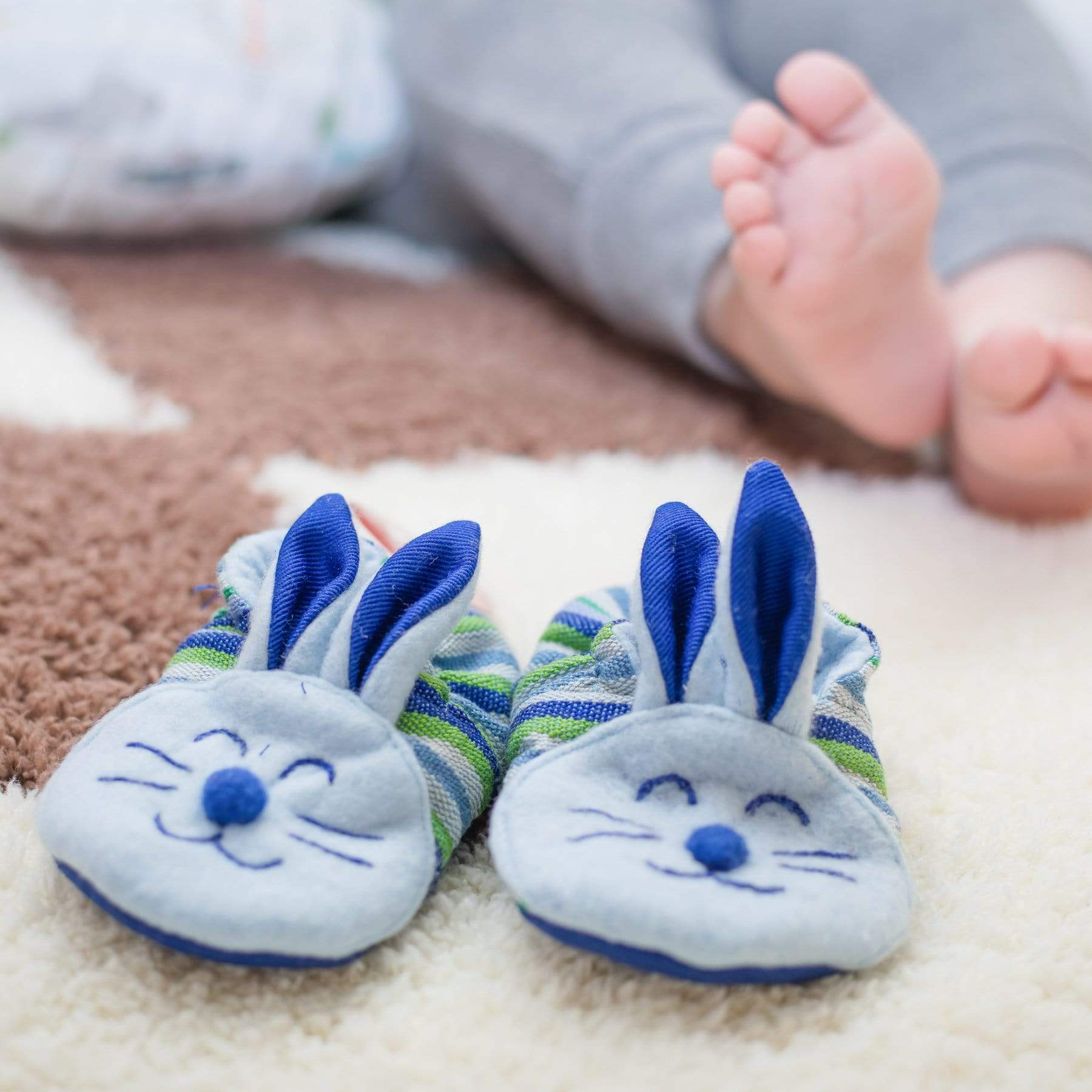
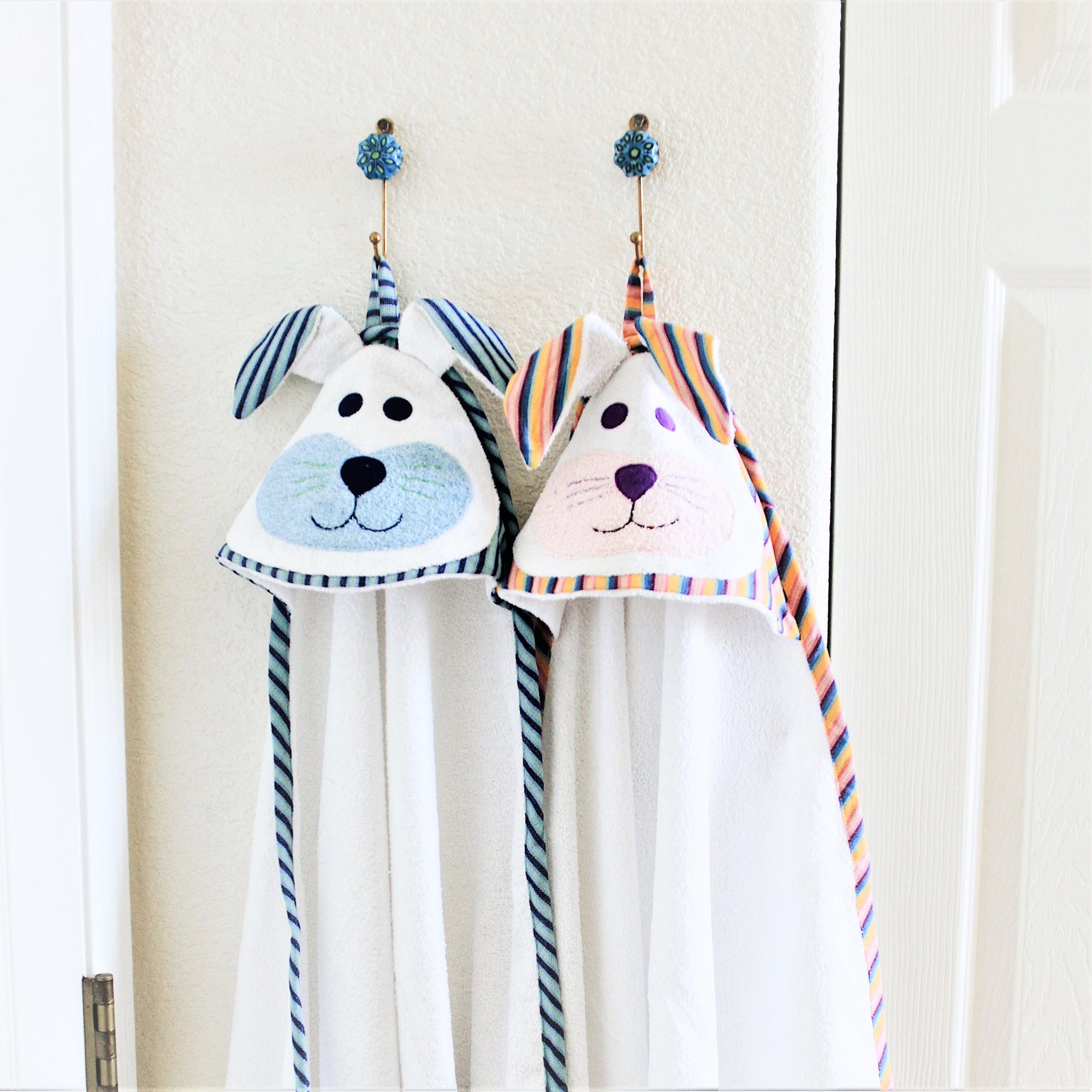
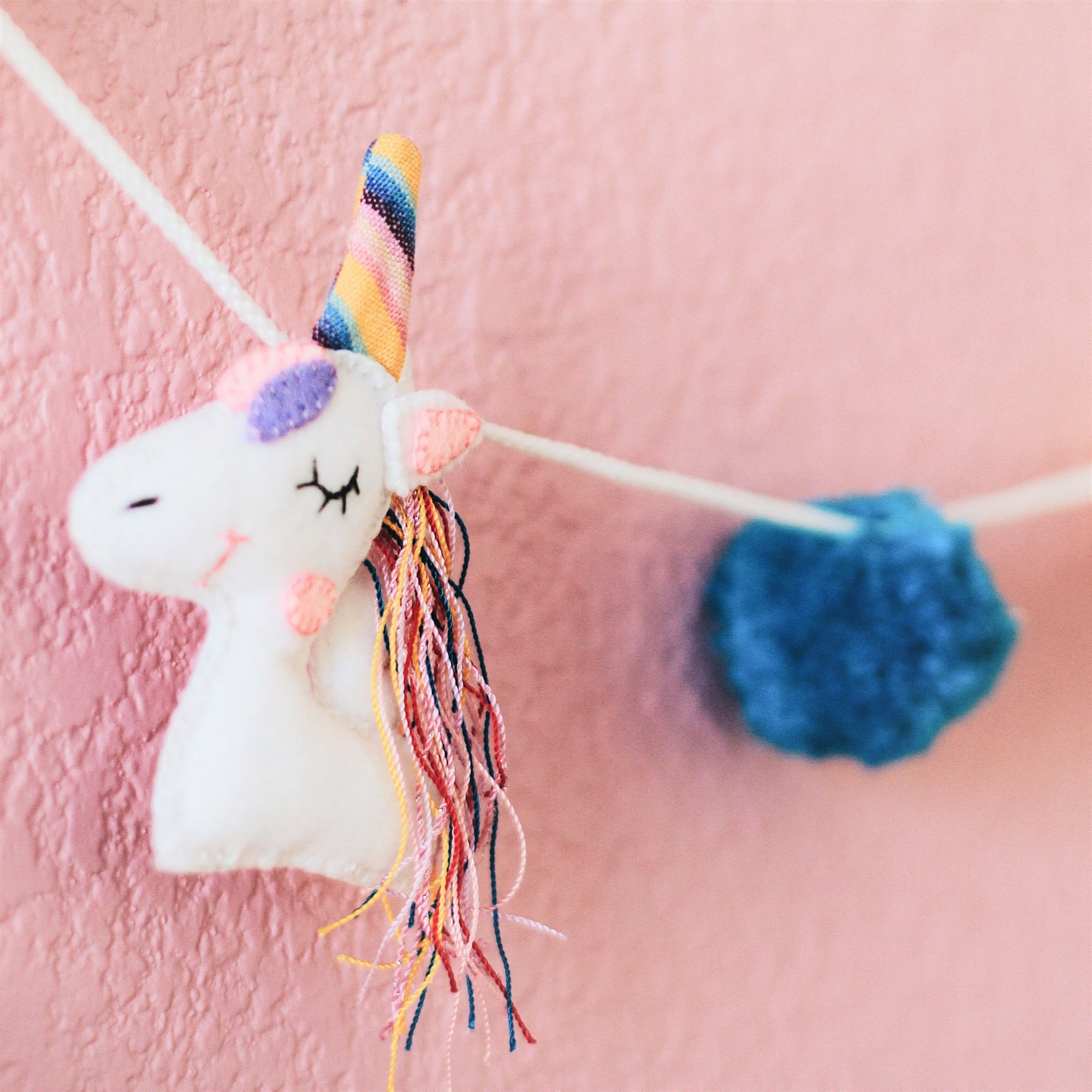
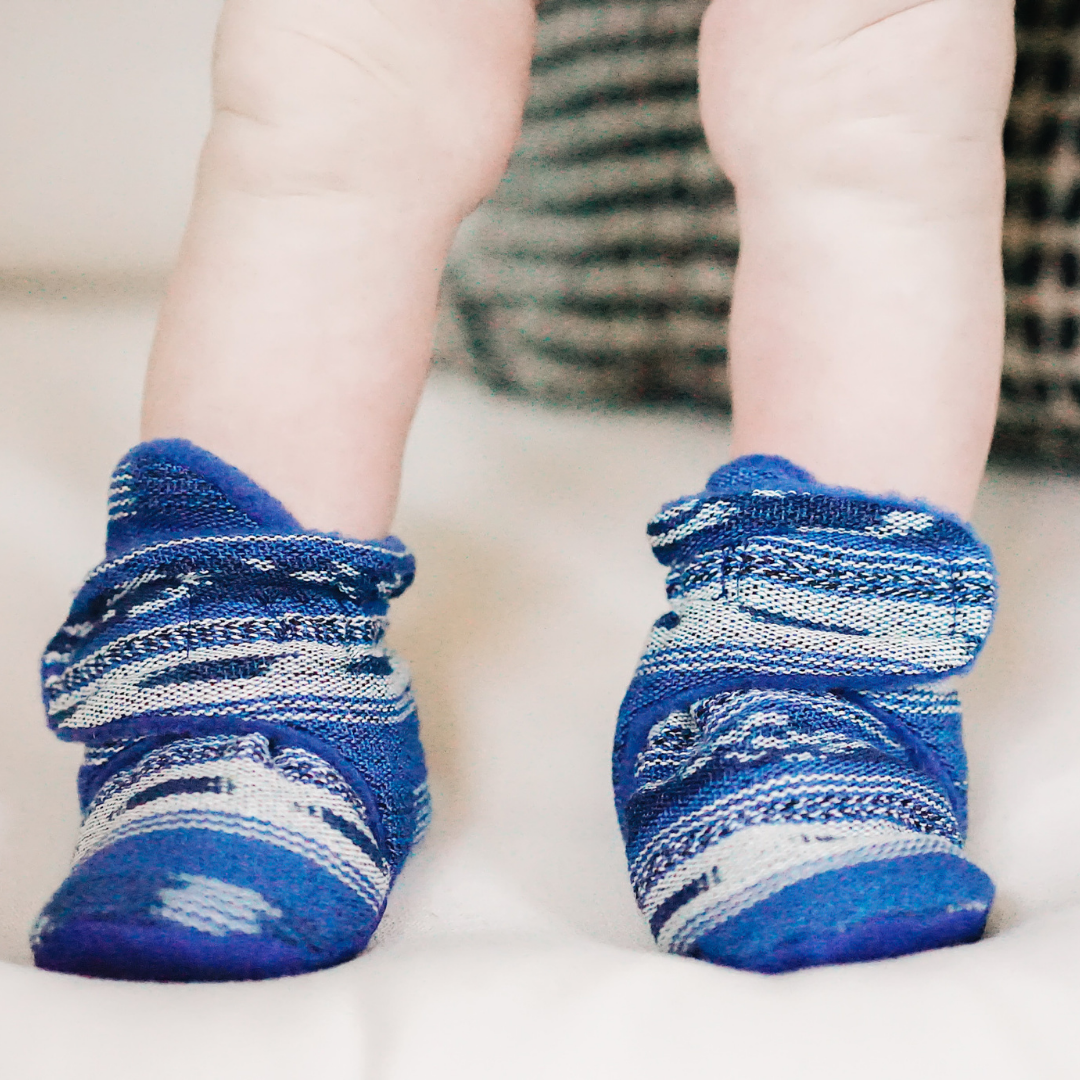
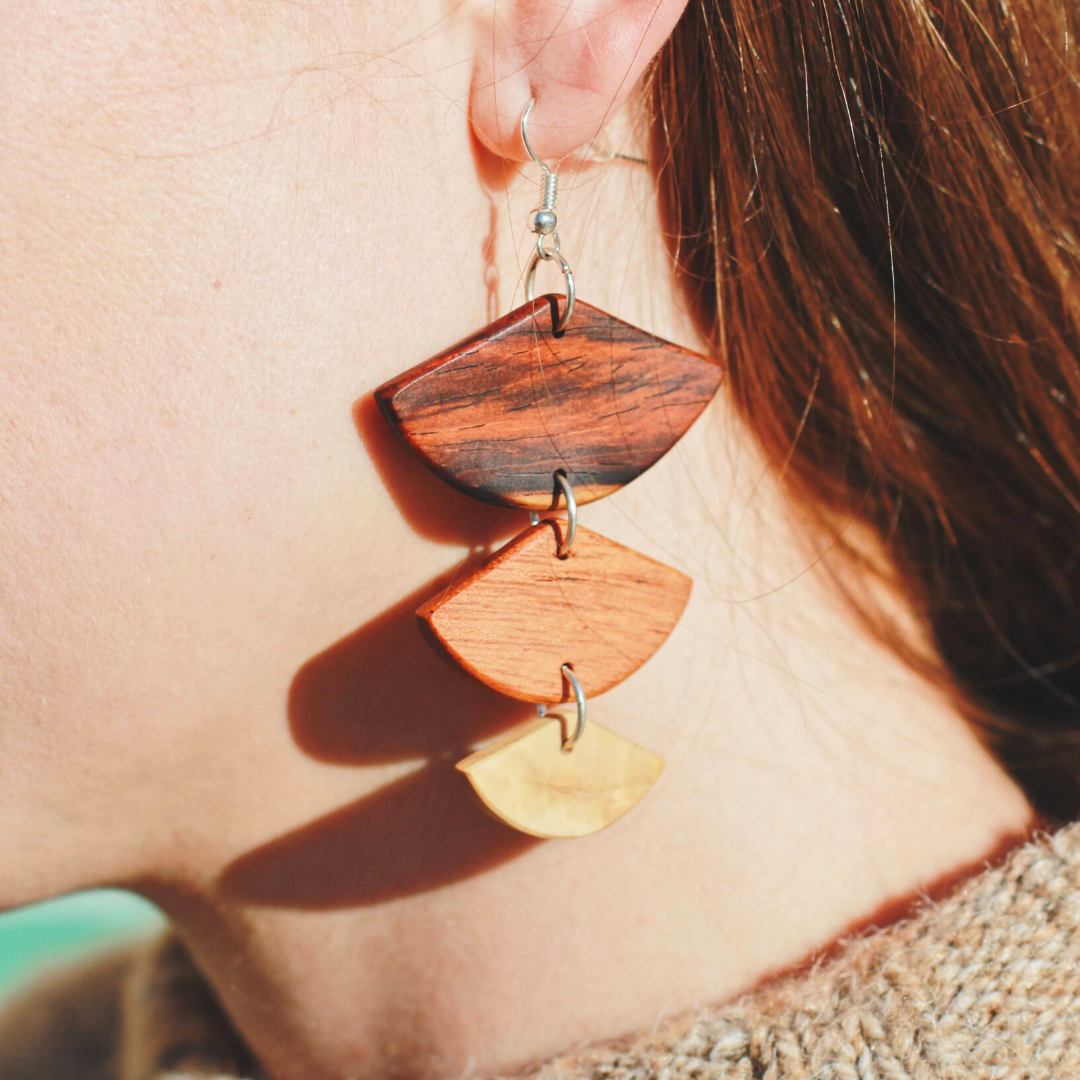
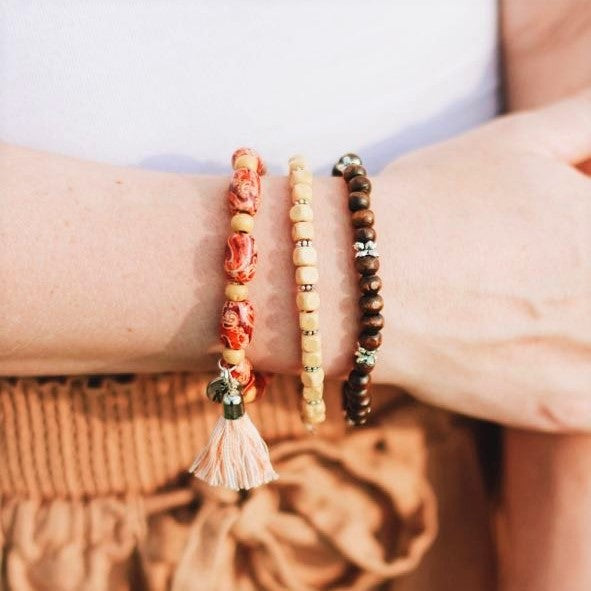
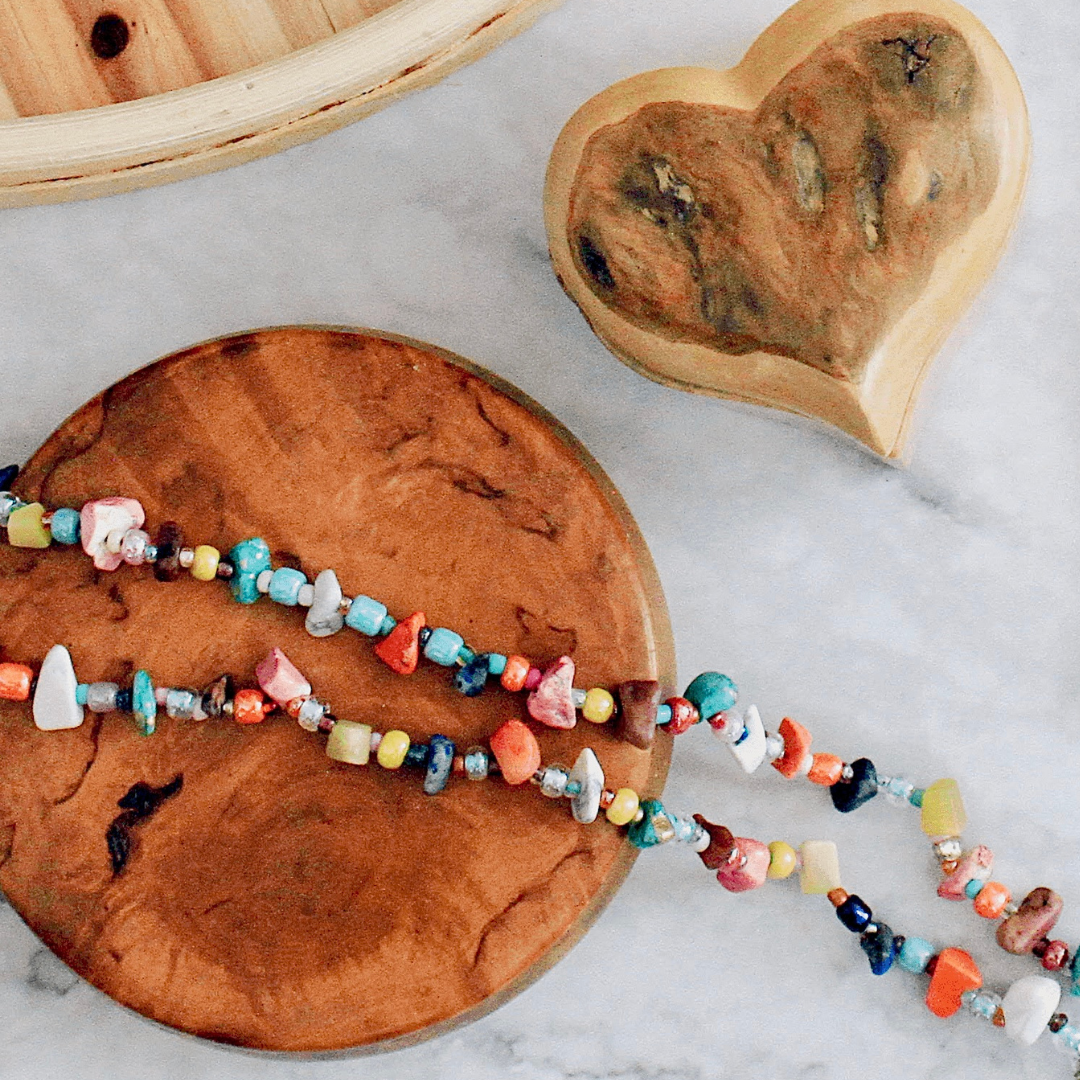
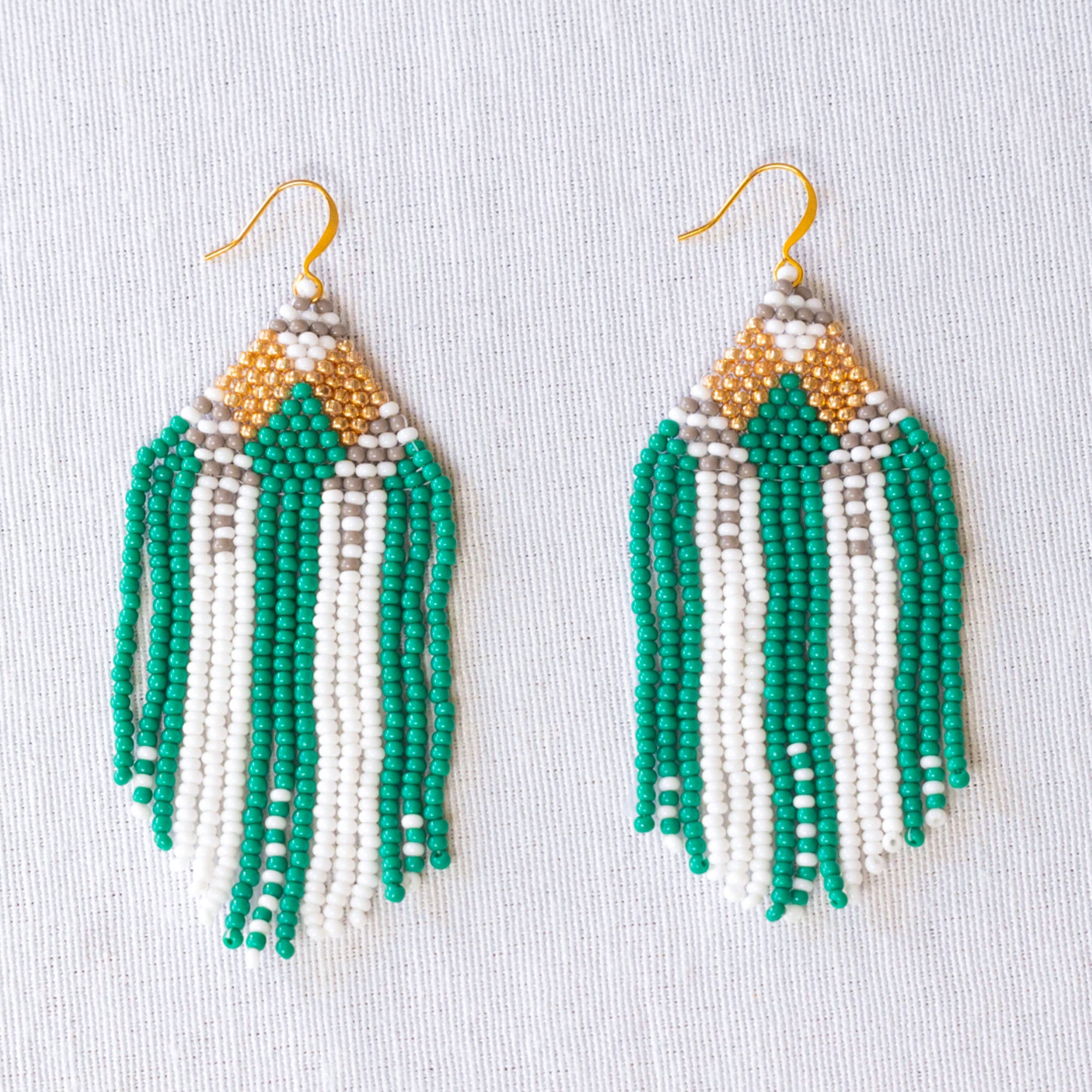
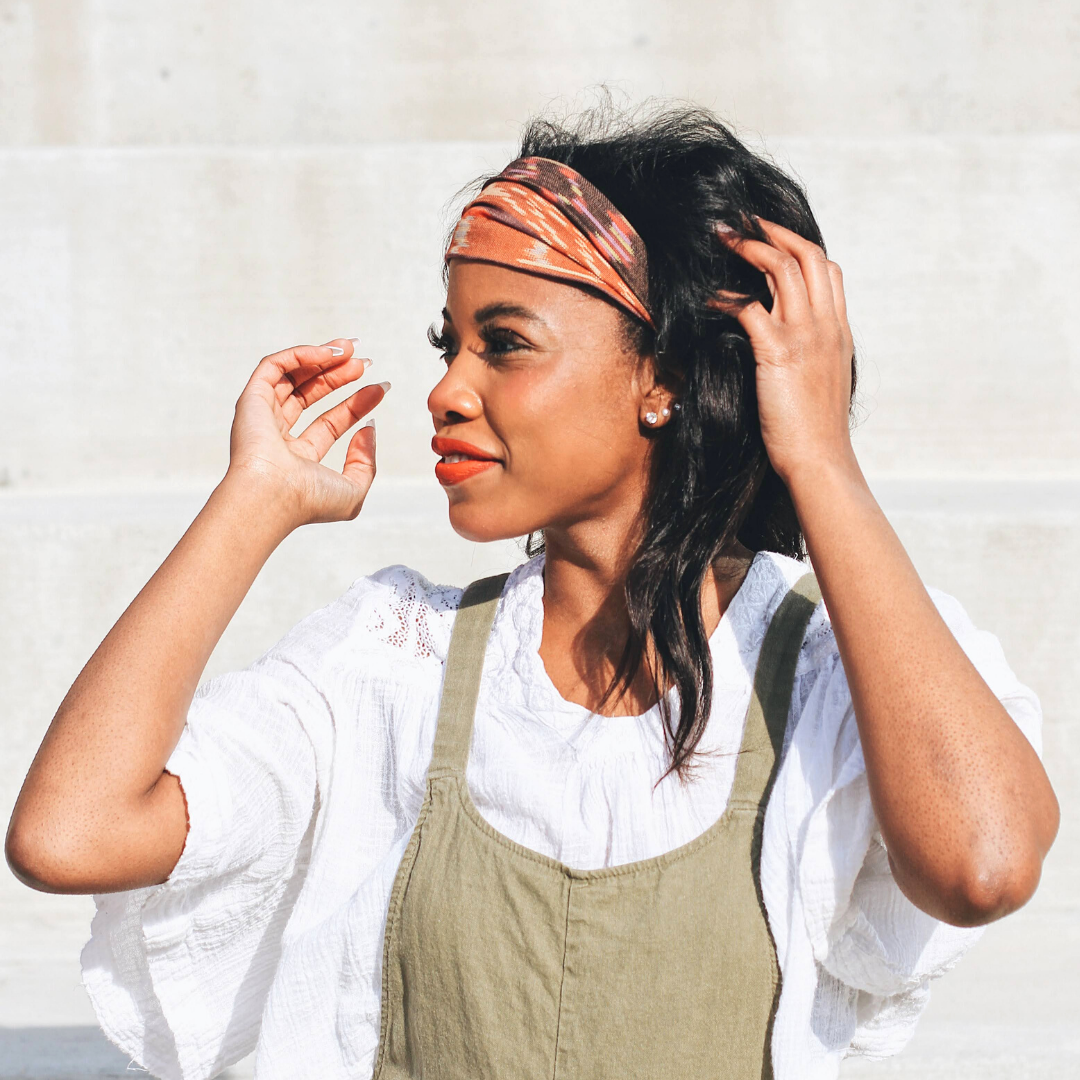
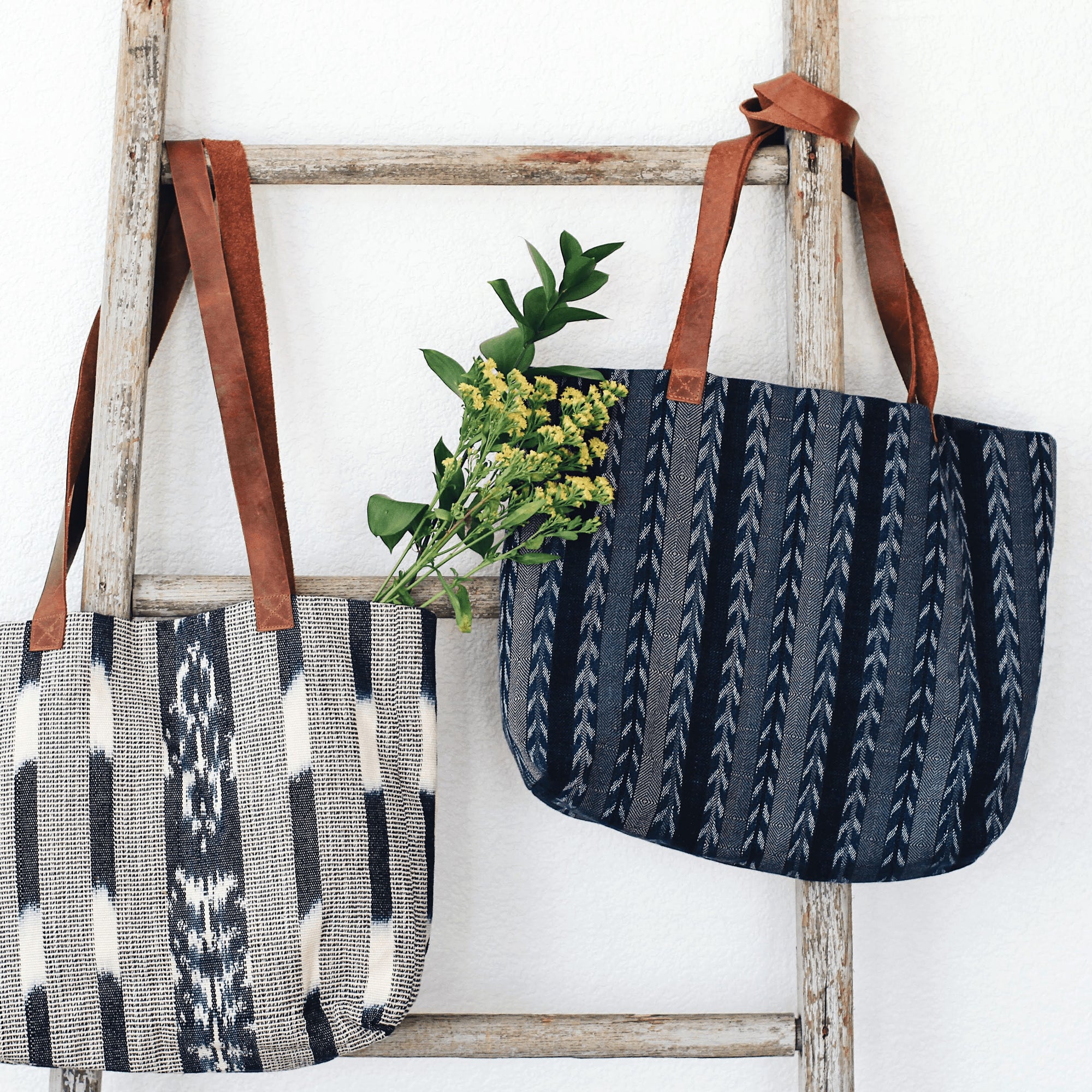
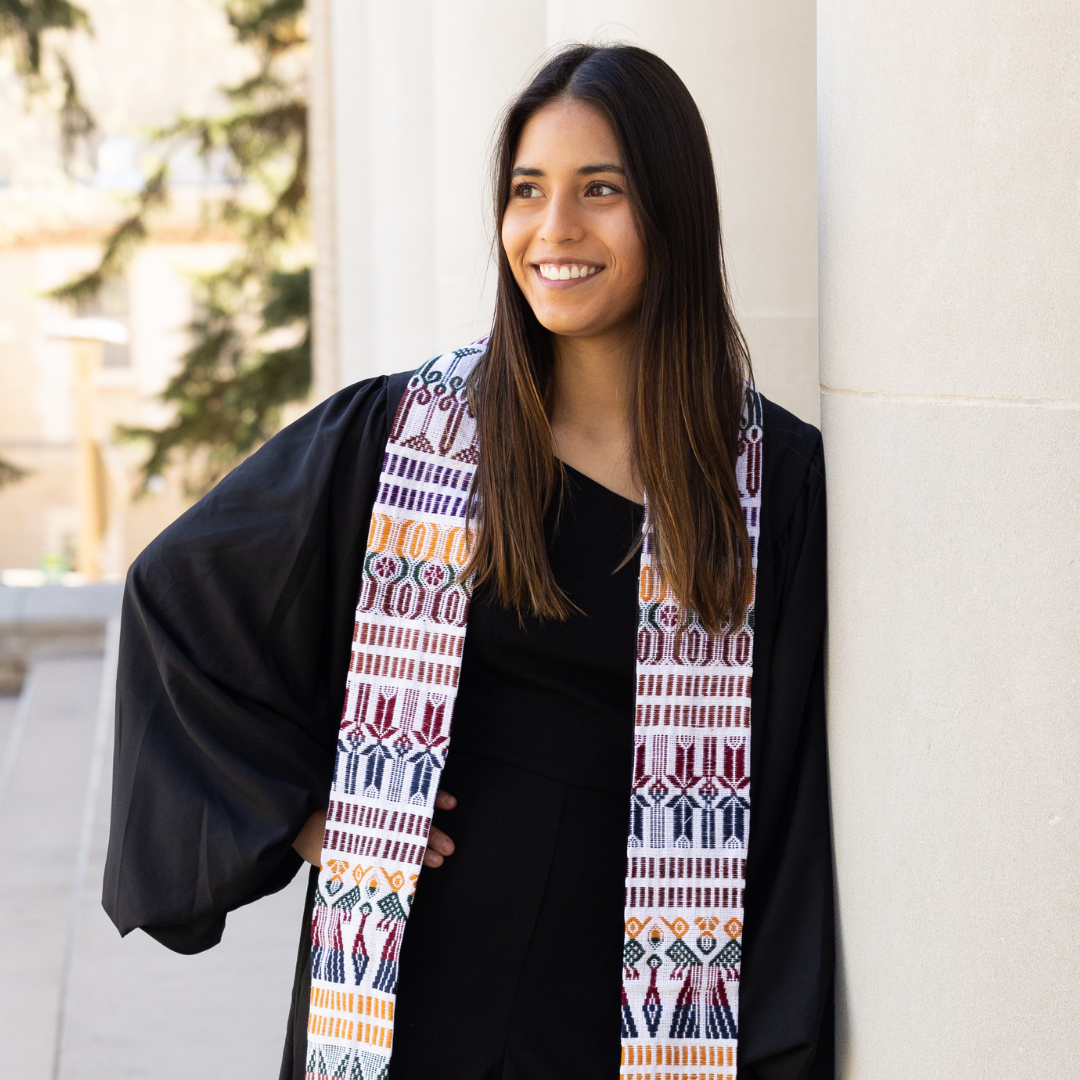
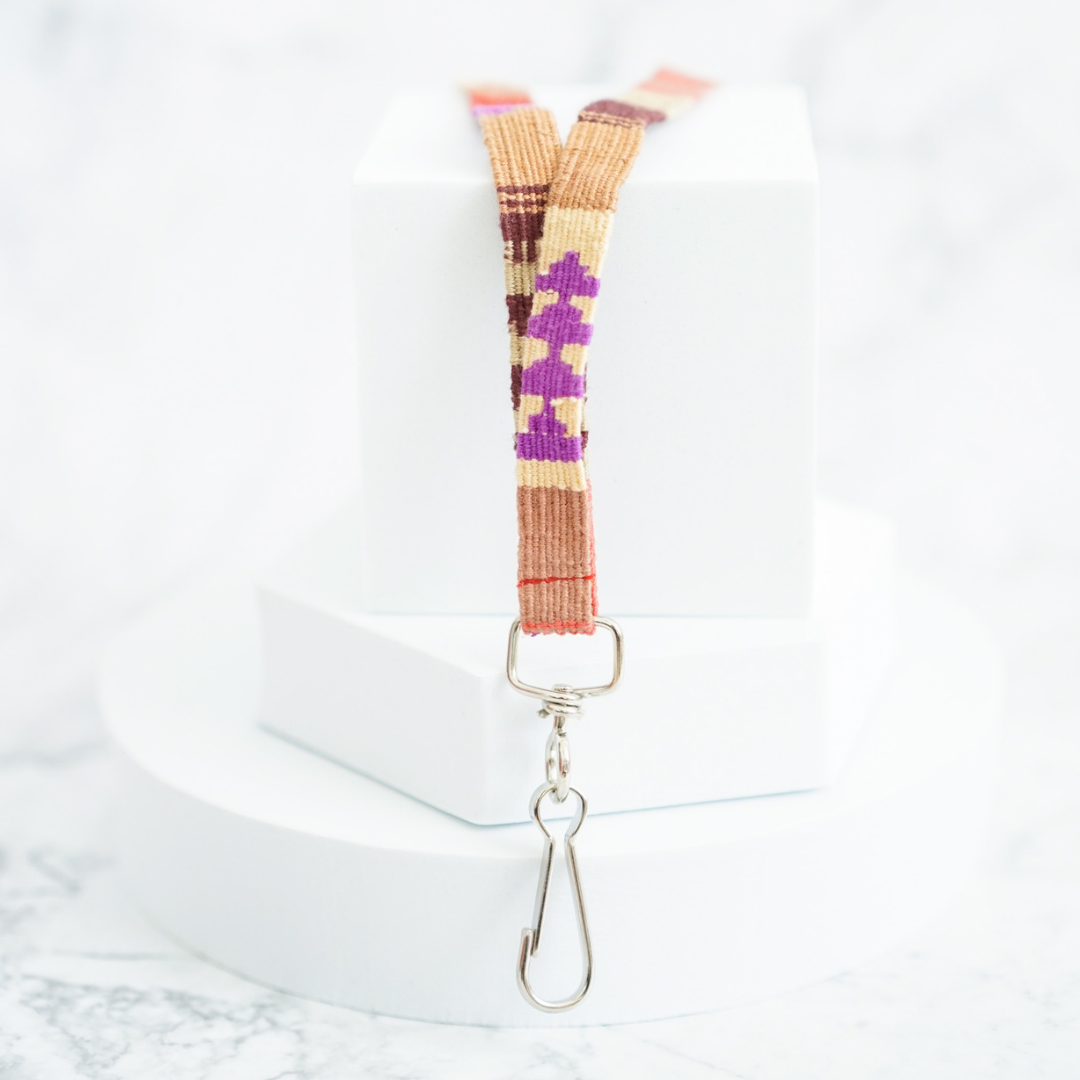
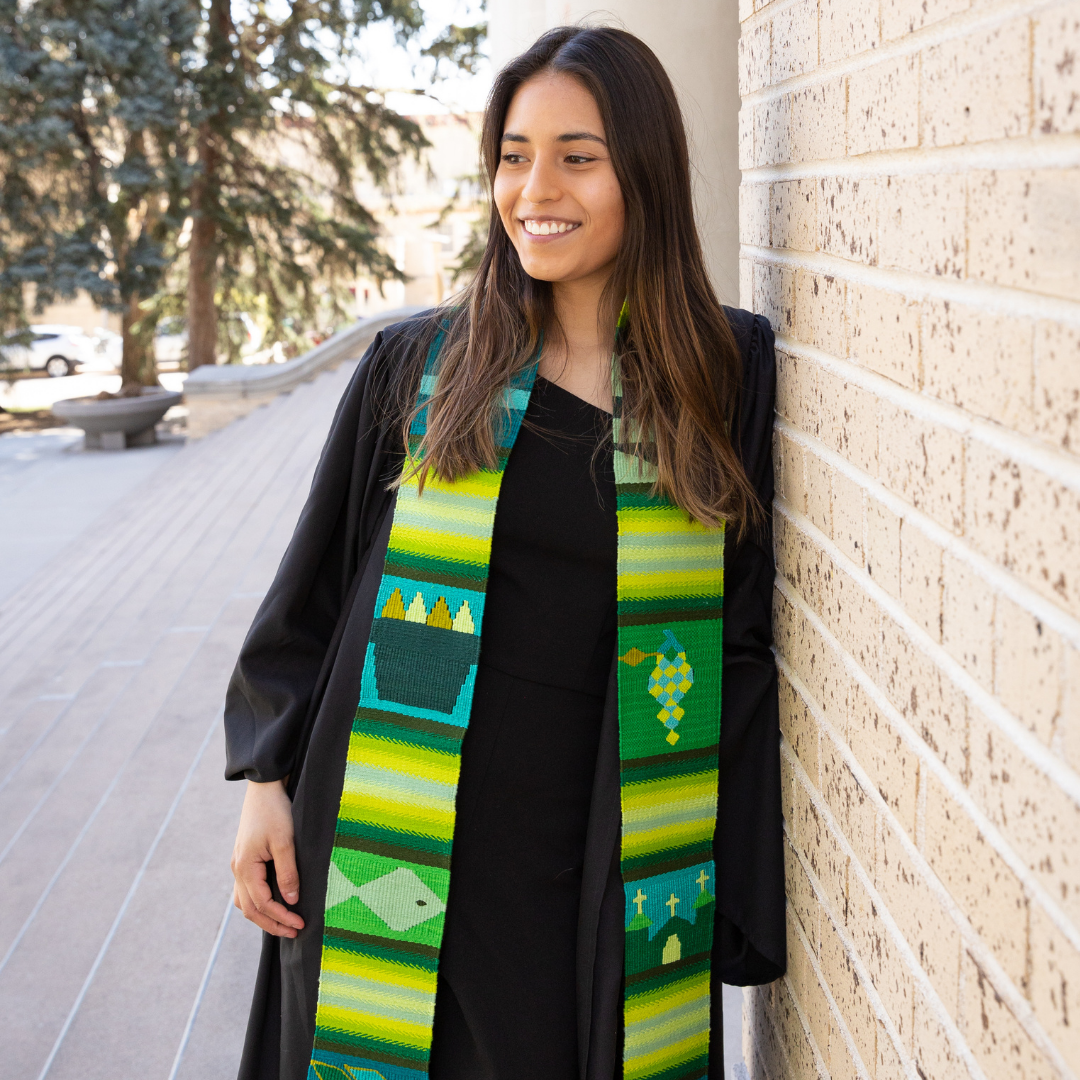
By 1990–1991, with Barb’s support, the women started their first artisan project to sell handmade goods to international visitors and buyers. The very first product was a hair clip. Soon, U.S. volunteers began to visit and then carry products home to sell, forming the base for larger export production. What began as a modest effort evolved into UPAVIM Crafts, a fair-trade business that now sells a wide variety of handcrafted goods to national and international markets—creating dignified, steady income for women and helping fund community programs.

Building Basic Services—Sometimes Overnight
During the first five years, the community fought for water access. One oft-told story recalls a secret overnight tap-in to a nearby supply so women no longer had to walk 15 minutes to the river. With material support from the World Bank, various church organizations, and later UNICEF and other partners, families began to build homes and lay the groundwork for a viable neighborhood—adding underground sewage pipes, paved/tar roads, bus routes, and basic services. Despite severe poverty, the women succeeded in securing land rights and formed an informal group to improve daily life—starting with child nutrition and then expanding their vision.
From Daycare to a School—The Montessori Spark
Between 1992-1994, UPAVIM built its first building. By 1995, the women began working to create the Centro Infantil (daycare and preschool), initially for cooperative families and quickly expanding to include training for the wider community. A visiting educator introduced Montessori methods, which the center adopted. The impact was immediate: children left daycare developmentally advanced, and when they entered first grade, they were well ahead of peers. The women realized they had to keep going—and set out to build an elementary school.

Formalizing the Vision & Expanding Services
In 1996, after collecting 500 local signatures (including some hesitant men), the group formally registered the women’s association. Over time, UPAVIM expanded into a multi-service community hub, housed in facilities the women helped build:
- Centro Infantil (daycare/preschool) and a K–6 Montessori School
- English program and community training
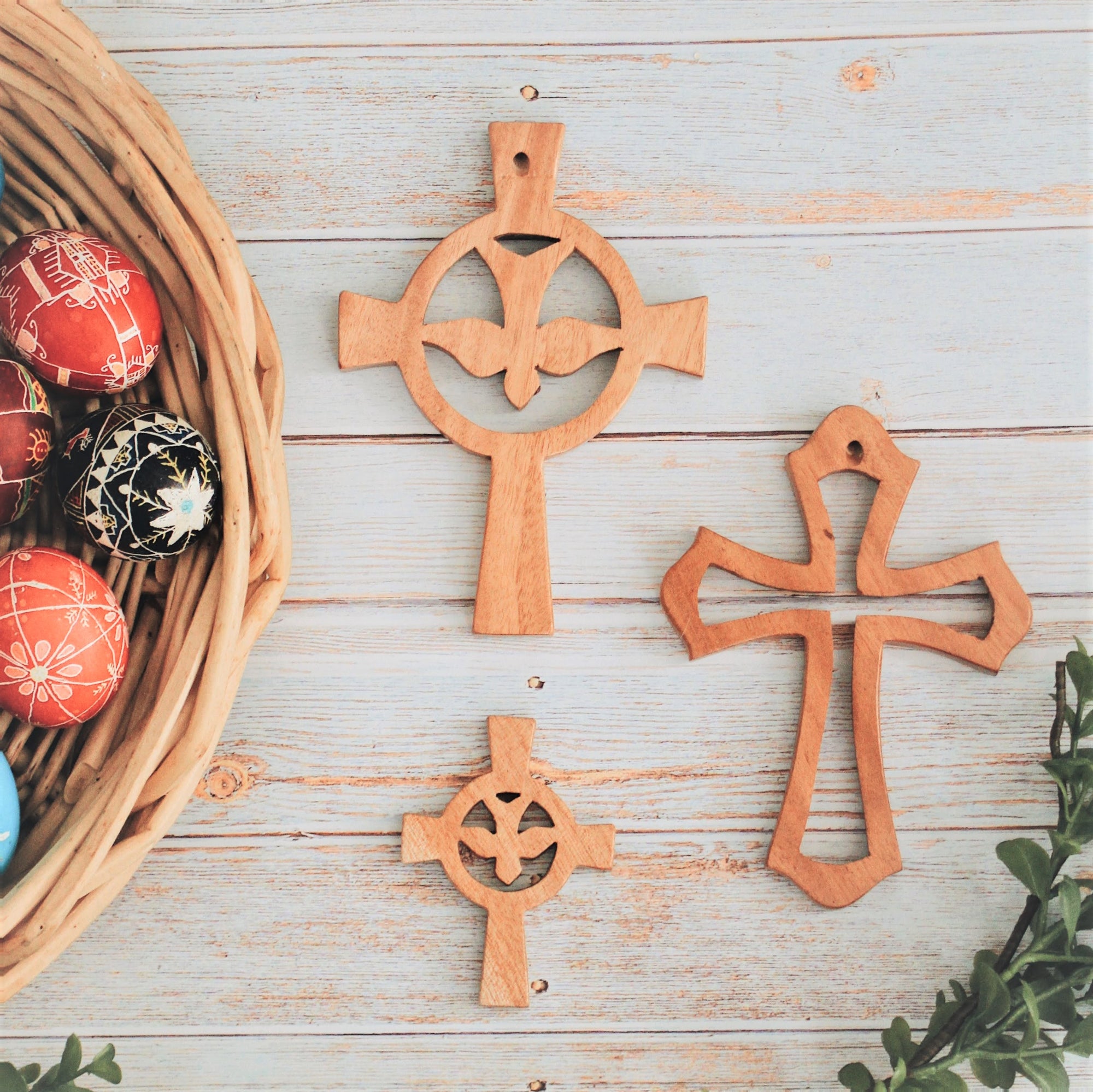
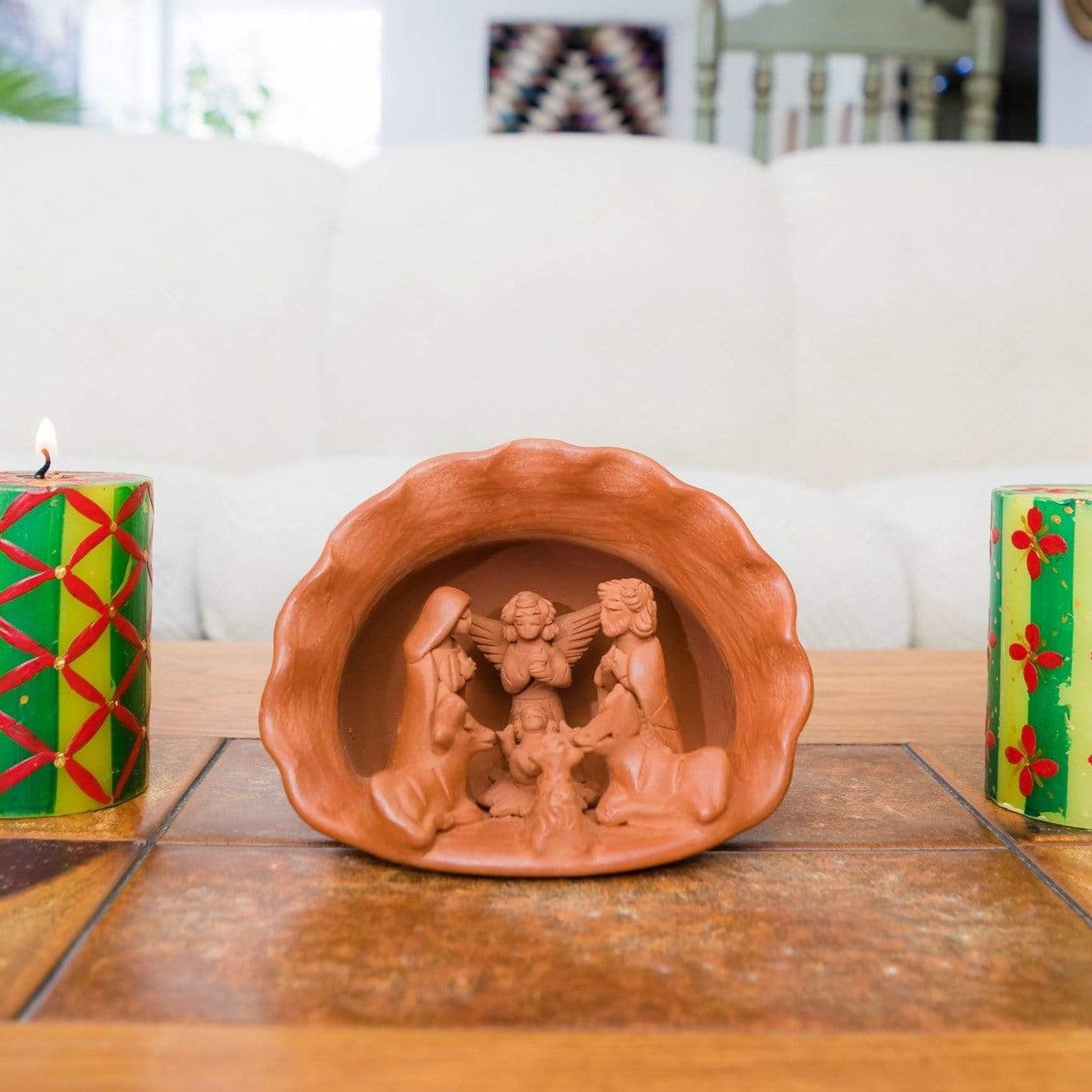
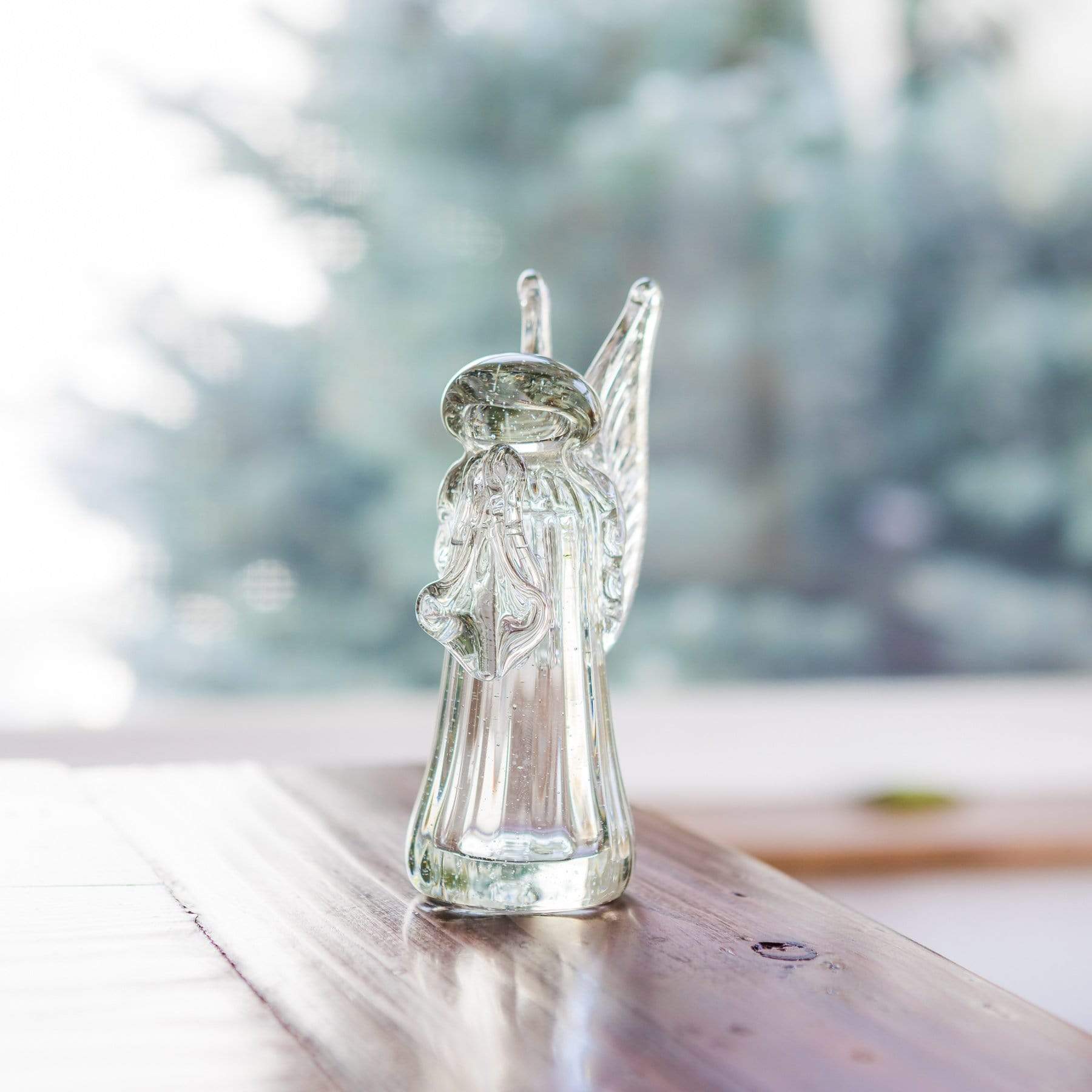
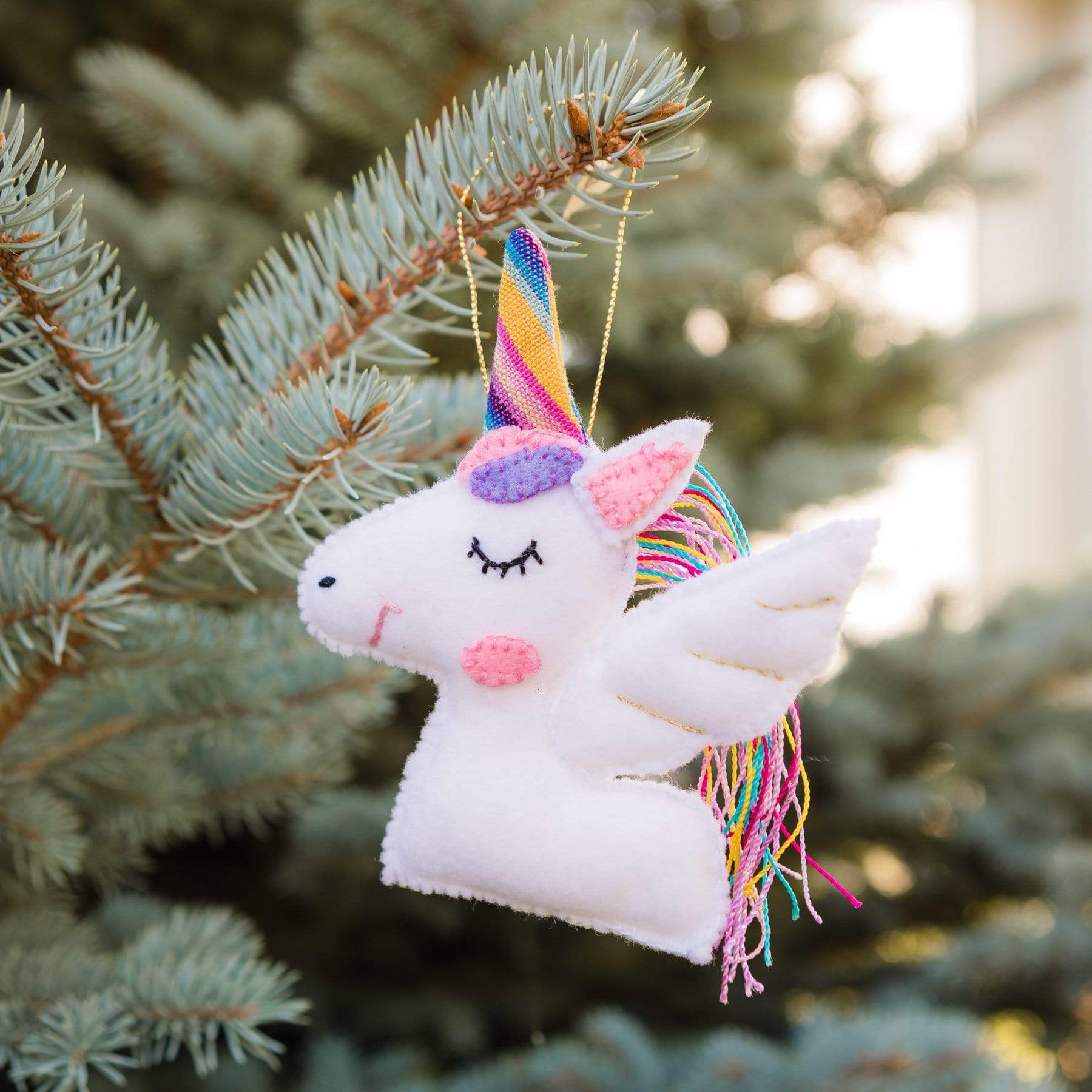
- Crafts workshop (textiles, ceramics, and more) that fuels fair-trade income
- Library and other community spaces
- Dental and medical clinic, laboratory, and pharmacy
- Bakery
These programs serve thousands of people in La Esperanza and nearby communities, and are sustained by nominal fees, craft sales, international donations, grants, and other income-generating projects.
Leadership, Craft, and Impact—Today
Guided by founders such as Ángela Bailon and Carmen Ticuru, and today led by Frances (Director) and Ángela Bailon (Directora de Artesanía), UPAVIM links craft, education, and health to long-term neighborhood growth. What began on bare ground now stands as a model of community-led development—where every handmade piece supports classrooms, clinics, and children’s futures.
